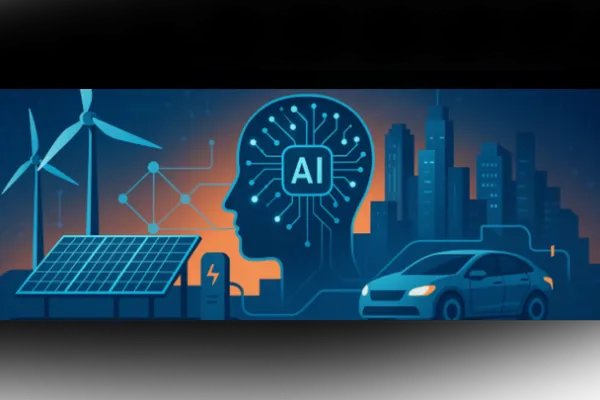
The Grid Is Under New Demand And Homeowners Are Paying For It
One of the fastest growing drivers of higher electricity costs is the explosive growth of AI data centers, according to a recent analysis from the Brookings Institution.
Utilities already grappling with aging infrastructure, wildfire mitigation and extreme weather are finding the massive energy demand from AI and cloud computing is speeding the need for new power plants, transmission lines and grid upgrades.
In many cases, these costs are eventually passed along to homeowners in the form of higher utility rates.
Since 2019, electricity prices have been rising faster than inflation, and homeowners are raising more and more important questions about energy security, predictability and long-term control over their monthly bills.
Meanwhile, utility policies are changing. Just putting solar on isn’t enough anymore with time-of-use rates, peak demand charges and changing net metering structures. Good system design is more important now than ever. High efficiency panels, smart load management, battery storage integration and accurate production forecasting can make a huge difference in long term savings and resiliency.
This is no longer just a way for homeowners to cut their utility bill. It’s about hedging against future rate volatility, securing backup power in the event of outages and achieving greater energy independence in an increasingly stressed grid environment.
The installers who optimize systems from the start and create the greatest long-term value for homeowners are best positioned to understand these trends.
