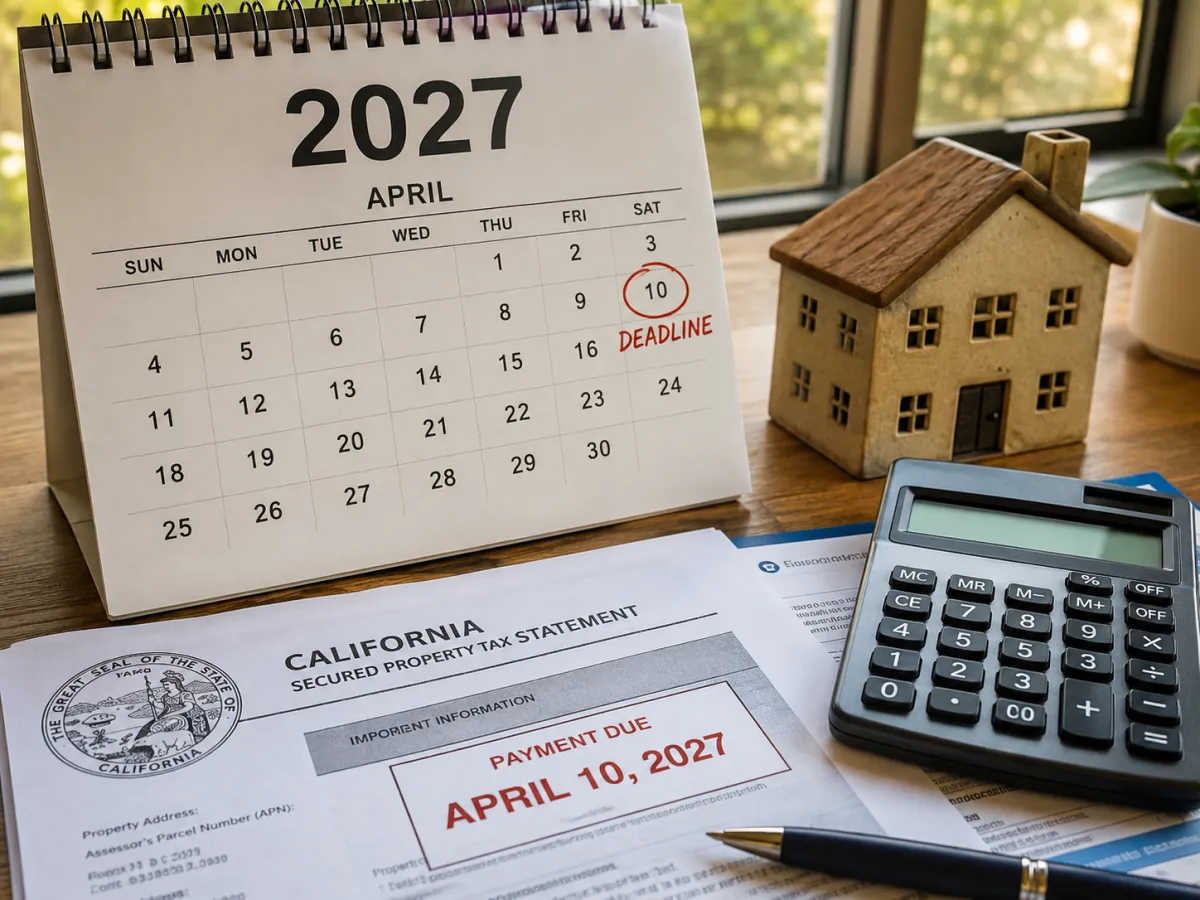
New Increased Taxes with Solar!
# The Clock Is Ticking: Why Installing Solar Panels Before January 1, 2027 Could Save You Thousands in Taxes
Did you know—? California is about to remove one of the most underrated benefits of going solar? If you live in Southern California and you've been putting off the decision, what's coming in the next few months could cost you more than you think.
## The Exclusion Almost No One Is Talking About
For nearly two decades, California has quietly protected homeowners who install solar systems with a powerful but rarely discussed benefit: the Active Solar Energy System Exclusion. In plain English, this law prevents your county assessor from reassessing your property and raising your property taxes when you add solar panels.
It sounds technical, but the takeaway is simple: you add value to your home with solar, but you don't pay extra property tax on that added value.
The catch? This exclusion expires on January 1, 2027.
After this, any new solar system installed in California will be added toward your property tax assessment. And while it might sound like a small detail, the numbers tell a different story.
## How Much Is Actually at Stake?
Take a typical Southern California example. The average residential solar system today costs around $21,000 fully installed. With the exclusion in place, that value doesn't get added to your taxable base.
But after January 1, 2027, that very same system would add roughly $150 to $260 per year to your property tax bill, depending on which county you live in (Los Angeles, Orange, San Bernardino, Riverside, and San Diego all have slightly different rates).
That seems minor on a yearly basis. But let's run the math over 20 years, which is the minimum lifespan of a modern solar system:
- $150 × 20 years = $3,000
- $260 × 20 years = $5,200
That's money coming straight out of your pocket every year, and it doesn't even account for the usual California property tax increases of up to 2% annually under Proposition 13.
## Why This Deadline Hits Harder in Southern California
So Cal is dealing with the perfect storm for homeowners considering solar:
1. The highest electricity rates in the country. Southern California Edison (SCE) and San Diego Gas & Electric (SDG&E) charge some of the most expensive residential rates in the United States. SDG&E hit a blended average of 47 cents per kWh, making San Diego the #1 market in the country where a solar system pays for itself in under 9 years.
2. The 30% federal tax credit is gone. The Residential Clean Energy Credit officially ended on December 31, 2025. While alternatives still exist, like the prepaid lease model that passes the savings on to the customer without requiring tax liability, missing out on this state-level benefit would be a second major hit to your return on investment.
3. NEM 3.0 changed the rules. Under the current net billing structure, exporting energy to the grid no longer pays what it used to. That means the real savings now come from self-consumption, which depends directly on how many years you can run your system without additional costs… like, say, a brand-new property tax bill.
Each of these factors on its own would already push the decision toward "install soon." Combined, the urgency becomes hard to ignore.
## Why Most Californians Don't Know About This
The media seems to ignore the real issue. It talks about the end of the federal credit, NEM 3.0, debates batteries… but the property tax exclusion lives in the basement of technical issues. The reality is that this is one of the few laws that has quietly protected millions of California families for 20 years, and it's about to disappear without much fanfare.
Counties, understandably, aren't going to put up billboards reminding you that they'll soon be able to charge you more taxes. That information is something you have to dig up yourself, or get from an installer who'll be straight with you about the full picture.
## What You Need to Do in the Coming Months
If you've been considering solar for your home in Southern California, now is the time to make the decision with room to spare. Not out of fear, but out of math:
- Get at least 2 quotes that include a full analysis of your last 12 months of electricity bills.
- Specifically ask about the prepaid lease model if you want to capture the equivalent of the 30% federal credit.
- Confirm your installer will give you a "placed in service" date before January 1, 2027. That's the date that counts for the exclusion, not the contract signing date.
- Plan for a battery from day one. Under NEM 3.0, a system without storage performs significantly worse.
## The Right Question Isn't —"How Much Does Solar Cost?"
The right question is: how much will it cost you NOT to have solar over the next 20 years?
Electricity rates are climbing 6–8% per year and property taxes will increase due to new solar systems starting in 2027, and the end of the most generous federal incentives we've ever seen. The math shifts month by month- and not in your favor!.
The sun will keep rising the same way over Southern California. What's changing are the rules for taking advantage of it.
*Want to know exactly how much you can save before the 2027 window closes? Get a free, personalized home evaluation from Solar Symphony. We'll handle the numbers, the deadlines, and the technical details so you can make the best decision with the full picture in hand.
>>> Yes! Calculate My Savings Before 2027. Click here!
